
Learning to Slow Down: A Personal Reflection on Mental Health and Connection
Learning to Slow Down: Why It Feels So Hard
We live in a world that constantly tells us to keep going.
Push harder.
Do more.
Stay productive.
And somewhere along the way, many of us learned that slowing down feels uncomfortable… or even wrong.
If you’ve ever sat still and suddenly felt anxious, restless, or overwhelmed by your thoughts, you’re not alone.
Learning to slow down isn’t just about time—it’s about safety.
For many people, staying busy becomes a way to avoid difficult emotions. When life finally gets quiet, everything we’ve been holding inside can start to surface.
And that can feel like too much.
Learning to Slow Down: The Connection Between Busyness and Mental Health
.
There’s a reason slowing down can feel challenging.
When we’re constantly moving, we stay in a state of “doing.” But when we pause, we shift into “feeling.”
That shift can bring up:
- Anxiety
- Emotional overwhelm
- Unprocessed stress
- Feelings of loneliness or disconnection
According to the American Institute of Stress, chronic busyness and stress can keep the nervous system in a heightened state, making it difficult to relax or feel grounded.
👉 https://www.stress.org/daily-life
This means that learning to slow down is not just a mindset—it’s something your body has to relearn.
And that takes time.
Learning to Slow Down: A Personal Reflection
Take a moment and reflect:
When was the last time you truly rested… without distraction?
Not scrolling.
Not multitasking.
Not planning the next thing.
Just being.
For many people, this question brings up discomfort. And that’s okay.
Because learning to slow down often begins with noticing how unfamiliar stillness feels.
You might find that your mind races.
You might feel restless in your body.
You might even feel guilt for not being “productive.”
These reactions don’t mean you’re doing something wrong.
They mean your system has been in “go mode” for a long time
Learning to Slow Down: The Role of Safe Connection
Here’s something important:
Slowing down is easier when you feel safe.
This is where connection becomes so powerful.
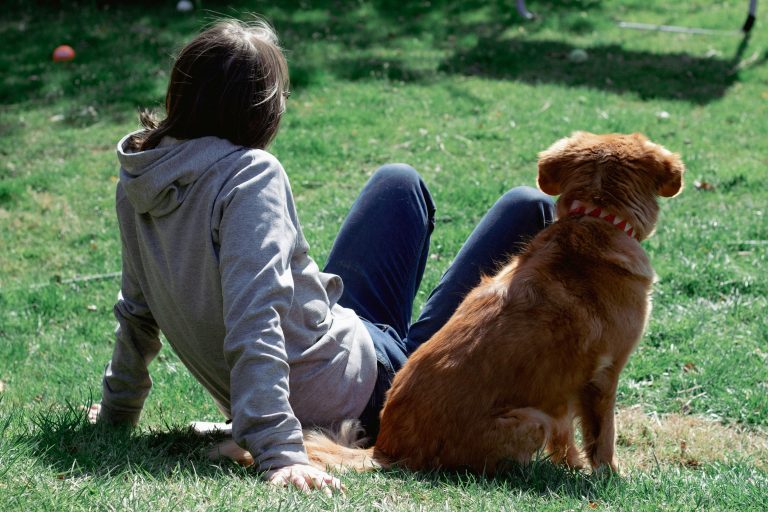
Whether it’s a trusted person, a calming environment, or even the presence of an animal, connection helps regulate your nervous system.
Research from Harvard Health Publishing highlights how supportive relationships and calming interactions can lower stress levels and improve emotional well-being.
👉 https://www.health.harvard.edu/healthbeat/the-health-benefits-of-strong-relationships
In animal-assisted counseling, this connection often happens naturally.
Animals don’t rush you.
They don’t expect you to perform.
They simply sit with you—offering presence and calm.
That kind of environment can make learning to slow down feel more approachable and less overwhelming.
Learning to Slow Down: What It Can Look Like in Real Life
Slowing down doesn’t mean stopping your life or ignoring responsibilities.
It means creating intentional moments of pause.
Here are a few simple ways to begin:
1. Start Small
Give yourself 2–5 minutes of quiet without distraction. That’s enough to begin.
2. Notice Without Judgment
If your mind races, that’s okay. You’re not trying to stop thoughts—just notice them.
3. Use Your Senses
Look around. Notice what you see, hear, or feel. This helps bring you back to the present.
4. Allow Support
You don’t have to figure this out alone. Safe support can make slowing down feel possible.
If you’re exploring ways to build more balance and emotional support, you can learn more here:
👉 https://animalassistedcounseling.net
Learning to Slow Down: Letting Go of Guilt
One of the biggest barriers to slowing down is guilt.
You might think:
- “I should be doing something.”
- “I don’t have time for this.”
- “I’ll rest later.”
But here’s the truth:
Rest is not something you earn—it’s something you need.
Learning to slow down is not about being less productive.
It’s about being more present, more regulated, and more connected to yourself.
And when you’re in that space, everything else becomes more manageable.
Learning to Slow Down: A Reflection for You
Take a deep breath and ask yourself:
- What am I holding onto right now?
- When do I feel most at ease?
- What would it look like to give myself permission to pause?
There is no perfect answer.
Just curiosity.
Because curiosity opens the door to change.
Learning to Slow Down: A Gentle Closing
If slowing down feels hard for you, that doesn’t mean you’re failing.
It means you’ve been doing your best to keep up in a world that rarely pauses.
And maybe—just maybe—this is your invitation to try something different.
Not all at once.
Not perfectly.
Just one small moment at a time.
Because learning to slow down isn’t about stopping your life…
It’s about reconnecting with it.