
Anxiety Coping Skills That Help You Feel More Calm and Grounded
Why Anxiety Can Feel So Overwhelming
Anxiety has a way of affecting both the mind and body at the same time. Sometimes it looks like racing thoughts and overthinking. Other times it feels more physical—tightness in your chest, emotional exhaustion, irritability, difficulty relaxing, or feeling constantly “on edge.”
For many people, anxiety can make everyday life feel emotionally draining. Even small responsibilities or social situations may suddenly feel overwhelming.
The good news is that learning supportive anxiety coping skills can help you feel calmer, more grounded, and more emotionally balanced over time.
At Animal Assisted Counseling of Indiana (AACI), we believe emotional wellness begins with compassion, emotional safety, and practical support—not pressure or self-criticism. Through counseling and animal-assisted therapy, we help clients develop healthier ways to manage stress, anxiety, and emotional overwhelm.
What Are Anxiety Coping Skills?
Anxiety coping skills are practical tools and supportive strategies that help calm the nervous system and reduce emotional overwhelm.
Healthy coping skills can help you:
- Feel more grounded
- Reduce racing thoughts
- Calm physical stress responses
- Improve emotional regulation
- Create greater emotional balance
These skills are not about “getting rid” of anxiety completely. Instead, they help you respond to anxiety in healthier, more supportive ways.
According to the National Institute of Mental Health, anxiety is one of the most common mental health concerns and can affect both emotional and physical functioning.
1. Grounding Anxiety Coping Skills for Emotional Balance
One of the most effective anxiety coping skills is grounding.
Grounding techniques help reconnect your mind and body to the present moment when anxiety begins pulling your thoughts into fear, stress, or overthinking.
Simple Grounding Exercise
Pause and notice:
- 5 things you can see
- 4 things you can touch
- 3 things you can hear
- 2 things you can smell
- 1 thing you can taste
This helps interrupt anxious thought spirals and gently reminds your nervous system that you are safe in the present moment.
Grounding can also include:
- Holding something soft or comforting
- Walking outside
- Sitting quietly with your dog
- Focusing on slow breathing
These simple moments can have a powerful calming effect on the nervous system.
2. Breathing Techniques That Help Calm Anxiety
Breathing exercises are some of the easiest and most accessible anxiety coping skills because they directly impact the nervous system.
When anxiety rises, breathing often becomes shallow and rapid. Slow breathing helps communicate safety to the body.
Try This Calming Breathing Exercise
- Inhale slowly for 4 seconds
- Hold for 4 seconds
- Exhale slowly for 6 seconds
Repeat several times while relaxing your shoulders and jaw.
Longer exhales are especially calming because they help activate the body’s relaxation response.
The Cleveland Clinic explains that breathing techniques can help reduce stress and anxiety symptoms.
3. Movement-Based Anxiety Coping Skills
Stress and anxiety often become stored physically in the body. That’s why movement can be one of the most helpful anxiety coping skills for emotional regulation.
Helpful movement-based coping skills include:
- Walking
- Stretching
- Gentle yoga
- Dancing
- Spending time outdoors
Movement helps:
- Release physical tension
- Improve mood
- Reduce nervous system activation
- Increase feelings of grounding
Even small amounts of movement can help your body feel calmer and more regulated.
4. Calm Connection and Emotional Safety
One of the most overlooked anxiety coping skills is safe, calming connection.
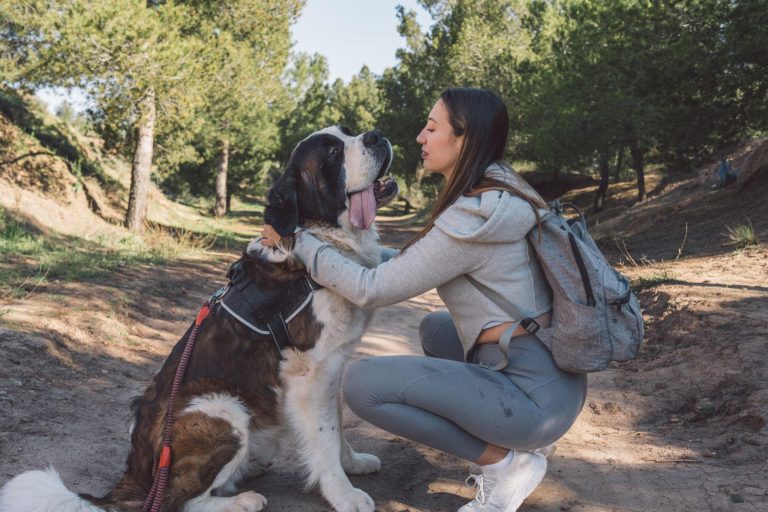
The nervous system responds strongly to emotional safety. Feeling emotionally supported by another person—or even an animal—can help reduce anxiety and emotional overwhelm.
At AACI, therapy focuses heavily on creating emotional safety because healing happens best when people feel supported rather than judged.
For many clients, animal-assisted therapy provides:
- Calm companionship
- Emotional grounding
- Reduced stress responses
- Greater comfort during therapy sessions
👉 Learn more about animal-assisted therapy:
Animal-Assisted Therapy at AACI
5. Creating Small Peaceful Moments Throughout the Day
Sometimes the most important anxiety coping skills are also the simplest.
Creating peaceful moments throughout your day helps your nervous system experience calm more consistently.
Peaceful moments may include:
- Drinking coffee quietly in the morning
- Listening to calming music
- Sitting outside in the fresh air
- Spending time with your dog
- Taking a break from overstimulation
Many people wait until life becomes less stressful before allowing themselves rest or peace. But emotional wellness often improves when we intentionally create calm moments even during busy or stressful seasons.
At AACI, we often remind clients:
Small moments of peace are not “unproductive.”
They are emotional wellness practices.
Why Anxiety Coping Skills Matter
Without healthy coping strategies, anxiety can begin affecting:
- Sleep
- Relationships
- Focus and concentration
- Emotional regulation
- Physical health
Learning supportive anxiety coping skills helps your nervous system feel safer, calmer, and more emotionally balanced over time.
Healing does not happen through constant pressure or self-criticism. It happens through consistency, compassion, and emotional support.
How Therapy Can Help With Anxiety
Sometimes anxiety becomes difficult to manage alone—and that’s okay.
Therapy can help you:
- Understand anxiety triggers
- Build healthier coping strategies
- Improve emotional regulation
- Reduce overwhelm and overthinking
- Feel more grounded and connected
At Animal Assisted Counseling of Indiana, we provide compassionate, client-centered counseling designed to help individuals feel emotionally safer and more supported.
Our approach combines:
- Anxiety coping skills
- Nervous system regulation
- Emotional wellness support
- Animal-assisted therapy
👉 Learn more about our counseling services:
Animal Assisted Counseling of Indiana
You Deserve to Feel Calm and Grounded Too
If anxiety has been making life feel emotionally exhausting lately, you are not weak—and you are not alone.
Your nervous system may simply need more support, more grounding, and more compassion.
Practicing small anxiety coping skills consistently can help you:
- Feel calmer
- Reduce emotional overwhelm
- Create peaceful moments
- Feel more connected to yourself again
And you do not have to navigate that process alone.
👉 Reach out to learn more or schedule an appointment:
Contact AACI
Final Thoughts on Anxiety Coping Skills
Healing anxiety does not require perfection.
Sometimes healing begins with:
- One grounding breath
- One calming connection
- One peaceful moment
- One therapy dog quietly resting beside you
These moments matter more than people realize.
And over time, they can help you feel more calm, grounded, and emotionally supported again.
Continue Learning About Anxiety
Looking for more information?
Visit our comprehensive Anxiety Resource Center to learn about:
Signs and symptoms of anxiety
Types of anxiety disorders
Healthy coping strategies
Frequently asked questions
When to seek professional help
Animal-assisted therapy for anxiety