
What Is Anxiety?
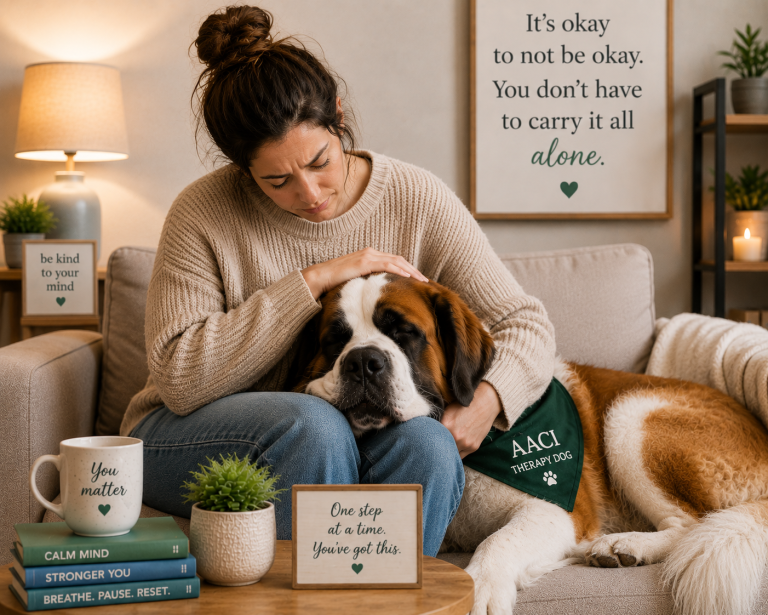
Anxiety is one of the most common mental health concerns, affecting people of all ages and backgrounds. While occasional worry is a normal part of life, persistent anxiety can interfere with your relationships, work, school, sleep, and overall well-being. This Anxiety Resource Center is designed to help you better understand anxiety, recognize its symptoms, explore effective coping strategies, and learn how professional counseling—including animal-assisted therapy—can support lasting emotional wellness and recovery.
Common Signs and Symptoms of Anxiety
Anxiety can affect your thoughts, emotions, physical health, and daily functioning. Although everyone’s experience is unique, many people notice a combination of emotional, physical, behavioral, and cognitive symptoms that make everyday life more challenging.
❤️ Emotional Symptoms
- Excessive worry
- Feeling overwhelmed
- Irritability
- Restlessness
- Fear of the worst happening
🧠 Cognitive Symptoms
- Racing thoughts
- Difficulty concentrating
- Overthinking
- Constant “what if” thinking
- Trouble making decisions
💪 Physical Symptoms
- Rapid heartbeat
- Muscle tension
- Sweating
- Fatigue
- Trouble sleeping
🚶 Behavioral Symptoms
- Avoiding situations
- Seeking constant reassurance
- Difficulty relaxing
- Withdrawing from others
- Procrastination due to fear
Types of Anxiety Disorders
Not all anxiety looks the same. While many people experience occasional worry or stress, anxiety disorders can affect individuals in different ways. Understanding the various types of anxiety can help you recognize your symptoms and determine whether professional support may be beneficial.
🌿Generalized Anxiety Disorder (GAD)
People with Generalized Anxiety Disorder experience persistent, excessive worry about everyday life, often without a specific cause. Concerns about work, family, finances, or health can become difficult to control and may lead to chronic stress, muscle tension, fatigue, and difficulty relaxing.
👥Social Anxiety Disorder
Social anxiety involves an intense fear of being judged, embarrassed, or negatively evaluated by others. Everyday situations such as meeting new people, speaking in groups, attending social events, or even making phone calls can feel overwhelming and may lead to avoidance.
❤️🩹Panic Disorder
Panic disorder is characterized by sudden, intense episodes of fear known as panic attacks. These episodes may include chest pain, shortness of breath, dizziness, sweating, trembling, and a racing heartbeat. Many people worry about having another panic attack, which can significantly impact daily life.
🩺Health Anxiety
Health anxiety involves excessive concern about physical health and the fear of having a serious illness despite medical reassurance. Individuals may frequently research symptoms online, repeatedly seek medical evaluations, or become highly focused on normal bodily sensations.
⚠️Specific Phobias
A specific phobia is an intense fear of a particular object or situation, such as flying, heights, needles, storms, or certain animals. Although people often recognize that their fear is greater than the actual danger, the anxiety can feel overwhelming and may interfere with everyday activities.
How Therapy Can Help with Anxiety
Anxiety can make even the simplest parts of daily life feel overwhelming, but effective treatment is available. Therapy is more than simply talking about your worries—it provides practical tools, personalized strategies, and compassionate support to help you better understand your anxiety and regain confidence. At Animal Assisted Counseling of Indiana, we tailor treatment to each individual’s unique needs and goals.
🎯Identify Anxiety Triggers
Learn to recognize the thoughts, situations, and patterns that contribute to anxiety so you can respond with greater awareness and confidence.
🧰Develop Healthy Coping Skills
Practice evidence-based coping strategies that help reduce anxious thoughts, improve emotional regulation, and increase resilience during stressful situations.
🌿Calm Your Nervous System
Discover techniques that help regulate your body’s stress response, allowing you to feel calmer, think more clearly, and respond rather than react.
🤝Personalized Treatment for You
Healing doesn’t happen alone. Our therapists provide a safe, supportive environment where you can build confidence, process challenges, and create lasting emotional change. When appropriate, animal-assisted therapy with our certified therapy dog may help clients feel more relaxed and engaged throughout the counseling process.
You don’t have to let anxiety control your life. With the right support, healing is possible, and lasting change can begin one step at a time.
Practical Coping Skills You Can Try Today
While anxiety can’t always be eliminated overnight, there are simple, evidence-based techniques that can help calm your mind and body in the moment. These strategies are designed to reduce stress, improve emotional regulation, and help you regain a sense of control. Practicing them consistently can make a meaningful difference in your overall well-being.
🌬️ Deep Breathing
Slow, controlled breathing signals your nervous system that you’re safe. Try inhaling for four seconds, holding for four seconds, and exhaling for six seconds several times whenever anxiety begins to rise.
🌿 Ground Yourself
Use the 5-4-3-2-1 grounding exercise by identifying five things you see, four you can touch, three you hear, two you smell, and one you taste. This technique helps shift your attention away from anxious thoughts and into the present moment.
🚶 Keep Moving
Gentle movement such as walking, stretching, or light exercise can help reduce stress hormones and improve your mood. Even a short walk outside can calm your nervous system and provide a mental reset.
💚 Practice Self-Compassion
Anxiety does not define you. Speak to yourself with the same kindness you would offer a close friend. Replacing self-criticism with understanding can reduce emotional distress and build resilience over time.
When to Seek Professional Help
Everyone experiences anxiety from time to time, but persistent anxiety that interferes with your daily life deserves attention. If anxious thoughts are affecting your relationships, work, school, sleep, or overall quality of life, professional counseling can provide effective tools and compassionate support. Seeking help is not a sign of weakness—it’s a positive step toward healing and emotional wellness.
🗓️ Anxiety Is Affecting Daily Life
If anxiety makes it difficult to concentrate, complete everyday tasks, maintain relationships, or enjoy activities you once loved, it may be time to seek professional support.
🌙 You’re Struggling to Cope
When worry feels constant, coping strategies no longer seem effective, or anxiety begins affecting your sleep, appetite, or physical health, counseling can help you regain balance.
🚪You’re Avoiding Important Parts of Life
Avoiding work, school, social events, driving, or other situations because of anxiety can cause your world to become smaller. Therapy helps build confidence to gradually face those challenges again.
🐾 There Is Hope
At Animal Assisted Counseling of Indiana, we provide compassionate, evidence-based counseling tailored to your individual needs. When appropriate, the calming presence of a certified therapy dog can help create emotional safety and support meaningful healing.
Frequently Asked Questions About Anxiety
Many people have questions about anxiety, its causes, and how treatment works. Below are answers to some of the most common questions we hear from clients. If you don’t see your question here, our team is always happy to help.
Can anxiety go away on its own?
Occasional anxiety often improves once a stressful situation passes. However, persistent anxiety may continue or worsen without treatment. Learning healthy coping strategies and addressing the underlying causes can help reduce symptoms and improve your quality of life.
What causes anxiety?
Anxiety can develop for many different reasons, including genetics, personality, chronic stress, traumatic experiences, medical conditions, or significant life changes. Often, several factors work together rather than a single cause.
What is the difference between stress and anxiety?
Stress is usually a response to a specific situation or challenge and often improves once that situation ends. Anxiety can persist even when there is no immediate threat and may interfere with daily life if left untreated.
Can therapy really help anxiety?
Yes. Research consistently shows that therapy is one of the most effective treatments for anxiety. Counseling can help you understand anxious thought patterns, develop practical coping skills, regulate your nervous system, and build confidence in managing life’s challenges.
What happens during an anxiety counseling session?
Your first session focuses on understanding your concerns, learning about your goals, and creating a personalized treatment plan. At Animal Assisted Counseling of Indiana, sessions are always tailored to your individual needs. When appropriate, the calming presence of one of our certified therapy dogs can provide additional comfort and emotional support throughout the counseling process.
Is medication the only treatment for anxiety?
No. Many people successfully manage anxiety through counseling, healthy lifestyle changes, stress management techniques, mindfulness, and other evidence-based approaches. Some individuals may benefit from medication, while others improve without it. Treatment should always be individualized based on your unique needs.
Can anxiety affect physical health?
Yes. Anxiety commonly causes physical symptoms such as muscle tension, headaches, fatigue, rapid heartbeat, stomach discomfort, dizziness, and difficulty sleeping. Because anxiety affects both the mind and body, treatment often focuses on improving overall emotional and physical well-being.
You Don't Have to Face Anxiety Alone
If anxiety is affecting your daily life, you don’t have to manage it on your own. At Animal Assisted Counseling of Indiana, we provide compassionate, evidence-based counseling for teens and adults in a warm, supportive environment. When appropriate, our certified therapy dog can help create a greater sense of comfort, emotional safety, and connection throughout the healing process.
Whether you’re experiencing constant worry, panic attacks, social anxiety, or feeling overwhelmed by everyday stress, our goal is to help you understand your anxiety, build lasting coping skills, and regain confidence in your daily life.
Continue Learning About Anxiety
Want to learn more? Explore these therapist-written articles for additional insights, practical strategies, and support for managing anxiety.
🐾 How to Stop Racing Thoughts
Practical therapist-recommended strategies to quiet an anxious mind.
🐾 Stress vs. Anxiety: What’s the Difference?
Understand how stress and anxiety affect your mind and body.
🐾How Animal-Assisted Therapy Helps Anxiety
Discover how therapy dogs can support emotional regulation and healing.
🐾10 Signs of High-Functioning Anxiety
Learn the subtle signs of high-functioning anxiety.
🐾How to Calm Anxiety at Night Naturally
Discover natural, therapist-recommended strategies to calm your mind, relax your body, and improve your sleep.
🐾Anxiety Coping Skills That Really Work
Discover practical, therapist-recommended coping skills to help calm anxious thoughts, reduce stress, and build confidence.
Ready to Take the Next Step?
If you’re ready to begin your healing journey, we’re here to help.