
Coping Skills for Anxiety: Practical Tools to Feel More in Control
If you’ve been searching for coping skills for anxiety, you’re not alone. Anxiety can feel overwhelming, unpredictable, and exhausting—but the good news is there are practical tools you can begin using today to feel more grounded and in control.
At Animal Assisted Counseling of Indiana, we believe in empowering you with skills that meet you where you are. Whether you’re dealing with daily stress, racing thoughts, or emotional overwhelm, these coping skills for anxiety are designed to help you reconnect with your body, calm your mind, and move forward with confidence.
Why Coping Skills for Anxiety Matter
Anxiety is not just “in your head.” It shows up in your body, your thoughts, and your behaviors. Learning coping skills for anxiety helps regulate your nervous system and gives you a sense of control in moments that may otherwise feel overwhelming.
When practiced consistently, these tools can:
- Reduce physical symptoms like tension and rapid heartbeat
- Help manage racing or intrusive thoughts
- Improve emotional regulation
- Increase your sense of confidence and calm
If you’re curious about how therapy can support anxiety management, you can learn more here:
👉 https://animalassistedcounseling.net/anxiety-therapy/
1. Grounding Techniques to Bring You Back to the Present
One of the most effective coping skills for anxiety is grounding. When anxiety pulls you into “what if” thinking, grounding brings you back to the here and now.
Try the 5-4-3-2-1 Method:
- 5 things you can see
- 4 things you can feel
- 3 things you can hear
- 2 things you can smell
- 1 thing you can taste
This simple tool helps shift your focus away from anxious thoughts and back into your body.
You can explore more grounding techniques through this helpful guide by the Anxiety Canada resource:
👉 https://www.anxietycanada.com/articles/grounding-techniques/
2. Breathing Exercises to Calm the Nervous System
Your breath is one of the most powerful coping skills for anxiety because it directly impacts your nervous system.
When anxiety rises, your breathing often becomes shallow and quick. Intentional breathing can help slow your heart rate and signal safety to your body.
Box Breathing Technique:
- Inhale for 4 seconds
- Hold for 4 seconds
- Exhale for 4 seconds
- Hold for 4 seconds
Repeat for several cycles.
This technique is often used by first responders and athletes because of how quickly it can regulate the body.
3. Movement as a Coping Skill for Anxiety
Anxiety builds energy in the body. Movement is a healthy and effective way to release that energy.
You don’t need an intense workout—simple movement can make a big difference:
- A short walk outside
- Stretching
- Gentle yoga
- Playing with a pet
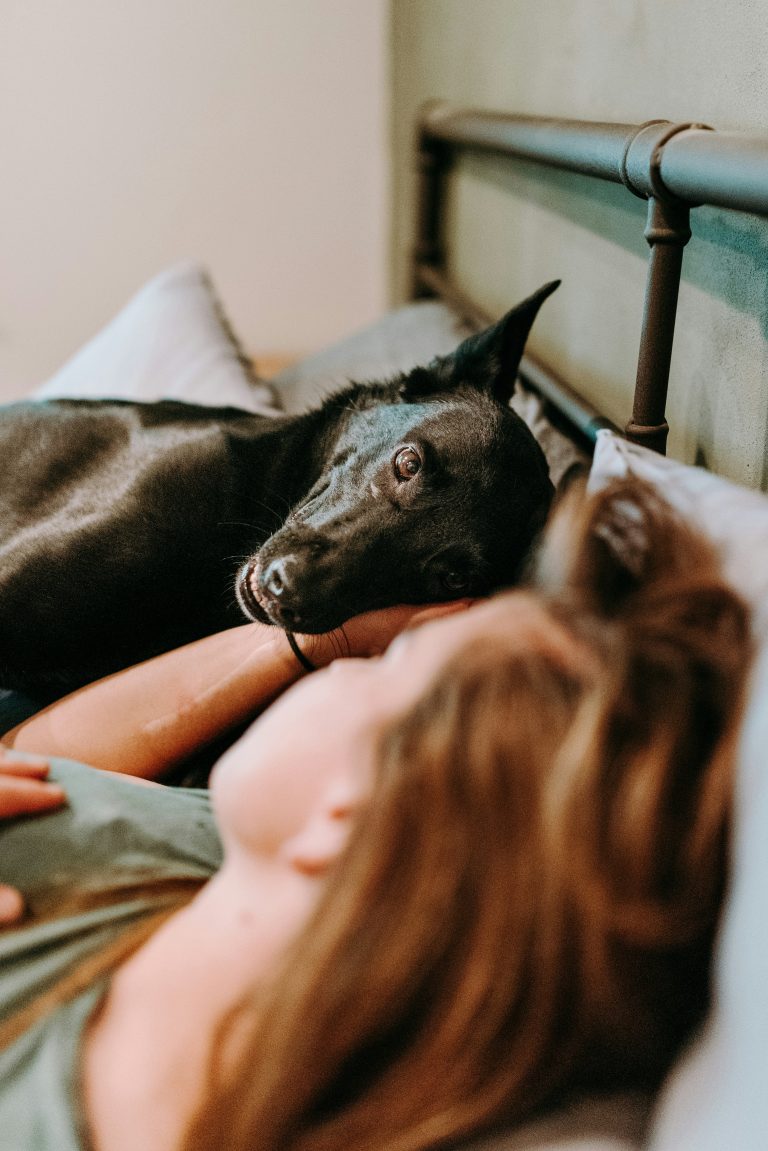
Animal interaction, in particular, can be incredibly calming. Spending time with a therapy dog can naturally lower stress hormones and increase feelings of safety.
Learn more about how animals support emotional regulation here:
👉 https://animalassistedcounseling.net/blog/therapy-animals-and-emotional-regulation/
4. Thought Challenging to Reduce Overthinking
Anxiety often comes with automatic negative thoughts. Learning to gently question these thoughts is an important coping skill for anxiety.
Try asking yourself:
- Is this thought 100% true?
- What evidence supports or contradicts it?
- What would I say to a friend in this situation?
You’re not trying to force positivity—you’re creating balance and perspective.
For more on cognitive strategies, the American Psychological Association offers helpful insights:
👉 https://www.apa.org/topics/anxiety
5. Create a “Calm Kit” for Difficult Moments
Having a go-to set of tools can make a big difference when anxiety hits.
Your coping skills for anxiety kit might include:
- A grounding object (like a smooth stone or fidget item)
- A calming scent (lavender, peppermint)
- A list of supportive reminders
- A favorite photo
- A soft item (blanket, stuffed animal)
This personalized approach helps you feel prepared and supported, even during difficult moments.
6. Sensory-Based Coping Skills for Anxiety
Engaging your senses can quickly interrupt anxiety and bring relief.
Ideas to try:
- Hold something cold (like an ice cube or chilled water bottle)
- Listen to calming music
- Take a warm shower
- Sit with a pet and focus on their breathing
Sensory tools are especially effective because they work directly with your nervous system rather than trying to “think your way out” of anxiety.
7. Build a Daily Coping Routine
The most effective coping skills for anxiety are the ones you practice regularly—not just when things feel overwhelming.
Consider building a simple daily routine:
- Morning breathing exercise
- Midday movement break
- Evening reflection or journaling
Consistency helps your body learn what calm feels like, making it easier to access over time.
You Don’t Have to Do This Alone
Learning and practicing coping skills for anxiety is a powerful step—but you don’t have to figure it all out on your own.
At Animal Assisted Counseling of Indiana, we offer a supportive, client-centered approach that helps you build real, lasting skills. Our work integrates evidence-based practices with the calming presence of therapy animals to help you feel safe, understood, and empowered.
👉 If you’re ready to take the next step, learn more here:
https://animalassistedcounseling.net/contact/
Try This Today
Choose just one coping skill for anxiety from this list and practice it today. Notice how it feels—not with pressure to “fix” anything, but simply to support yourself.
Small steps lead to meaningful change.