
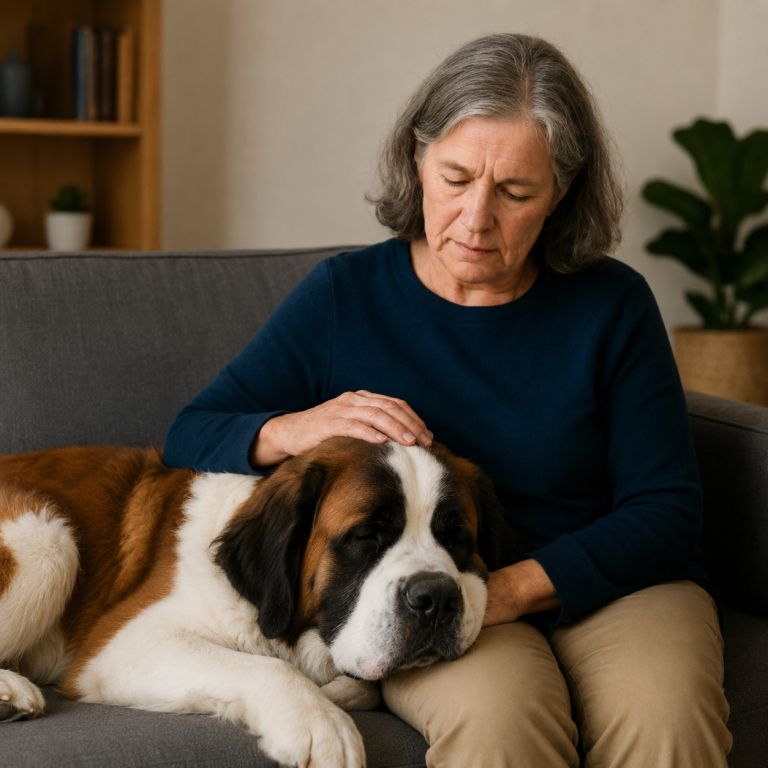
How Animal-Assisted Therapy Helps Regulate the Nervous System
Why Anxiety Feels So Overwhelming Sometimes
Anxiety is more than “worrying too much.” For many people, anxiety feels physical, emotional, and exhausting all at once.
You may notice:
- Racing thoughts
- Tightness in your chest
- Difficulty relaxing
- Feeling emotionally overwhelmed
- Constant overthinking
- Irritability or shutdown
When anxiety becomes chronic, the nervous system can begin staying stuck in survival mode. This is why calming down is often much harder than people expect.
At Animal Assisted Counseling of Indiana (AACI), we approach healing differently by recognizing the powerful connection between emotional wellness, nervous system regulation, and the calming support of therapy animals. Through animal assisted therapy for anxiety, clients often experience therapy as safer, more grounding, and easier to engage in.
This combination of emotional safety, nervous system support, and therapy dogs is what makes animal-assisted therapy such a unique and meaningful approach to healing.
What Is Animal Assisted Therapy for Anxiety?
Animal assisted therapy for anxiety is a therapeutic approach that intentionally incorporates trained therapy animals into counseling sessions to support emotional healing and stress reduction.
Unlike simply spending time with pets, animal-assisted therapy is integrated into a structured therapeutic process guided by a mental health professional.
Therapy animals can help clients:
- Feel calmer and safer
- Regulate emotional responses
- Reduce stress and anxiety
- Feel more comfortable opening up in therapy
At AACI, therapy dogs are thoughtfully incorporated into sessions to help create a supportive environment where clients feel emotionally safe and connected.
👉 Learn more about our services:
Animal Assisted Counseling of Indiana
The Connection Between Anxiety and the Nervous System
To understand why animal assisted therapy for anxiety works so well, it helps to understand the nervous system.
When the nervous system senses stress or danger, it activates survival responses such as:
- Fight (irritability, tension, emotional reactivity)
- Flight (restlessness, panic, overworking, racing thoughts)
- Freeze (shutdown, numbness, exhaustion)
For many individuals with anxiety, the nervous system struggles to return to a calm, regulated state.
This is why anxiety often feels physical—not just mental.
According to the National Institute of Mental Health, anxiety disorders affect both the brain and body and can significantly impact emotional well-being.
How Animal Assisted Therapy for Anxiety Supports Nervous System Regulation
One of the most powerful aspects of animal assisted therapy for anxiety is its impact on the nervous system itself.
Therapy dogs naturally help create:
- Emotional safety
- Grounding
- Calm connection
- Reduced stress responses
The nervous system responds strongly to signals of safety. Calm, supportive interaction with a therapy dog can help the body begin shifting out of survival mode.
Research Shows Animal Interaction May Help:
- Lower cortisol (stress hormone)
- Reduce heart rate
- Increase oxytocin (bonding hormone)
- Improve emotional regulation
The National Institutes of Health has explored the benefits of human-animal interaction and emotional wellness.
Why Therapy Dogs Feel So Calming
Many people immediately feel calmer around therapy dogs, and there’s a reason for that.
Therapy dogs provide:
- Predictability
- Nonjudgmental presence
- Gentle emotional connection
- Comfort through physical grounding
For someone experiencing anxiety, this kind of calming support can feel deeply regulating.
At AACI, therapy dogs often help clients:
- Feel less intimidated during sessions
- Relax emotionally
- Stay more present during difficult conversations
For teens especially, therapy dogs can create a softer, more approachable therapy experience.
👉 Learn more about animal-assisted therapy:
Animal-Assisted Therapy at AACI
Animal Assisted Therapy for Anxiety and Emotional Wellness
One reason animal assisted therapy for anxiety is so effective is because emotional wellness depends heavily on feeling emotionally safe.
When people feel unsafe emotionally, the nervous system stays guarded and reactive. Therapy dogs can help create an atmosphere of calm connection that supports healing.
Clients often describe feeling:
- More grounded
- Less emotionally overwhelmed
- More connected to themselves
- Less alone
Healing becomes easier when the nervous system no longer feels like it has to constantly stay alert.
Who Can Benefit From Animal Assisted Therapy for Anxiety?
Animal assisted therapy for anxiety may be especially helpful for:
- Teens struggling with stress or anxiety
- Adults experiencing chronic overwhelm
- Individuals with trauma histories
- People who feel nervous about traditional therapy
Animal-assisted therapy can also be beneficial for individuals who:
- Have difficulty expressing emotions
- Tend to overthink
- Feel emotionally shut down
- Need a gentler approach to therapy
At AACI, therapy is always tailored to the client’s comfort level and emotional needs.
Healing Happens Through Safety and Connection
Many people try to “push through” anxiety by criticizing themselves or ignoring what they feel. But lasting healing often begins in a very different way.
It begins with:
- Emotional safety
- Compassion
- Connection
- Nervous system support
This is why animal assisted therapy for anxiety can feel so different from what people expect therapy to be.
Instead of feeling clinical or intimidating, therapy can become a place where clients feel calmer, more supported, and more emotionally understood.
You Don’t Have to Stay Stuck in Survival Mode
If anxiety has been leaving you emotionally exhausted, overwhelmed, or disconnected, you do not have to navigate it alone.
At Animal Assisted Counseling of Indiana, we help clients better understand their emotional experiences while building nervous system regulation skills in a supportive, compassionate environment.
Through animal assisted therapy for anxiety, therapy dogs help create calming support and emotional safety throughout the healing process.
👉 Reach out to learn more or schedule an appointment:
Contact AACI
Final Thoughts on Animal Assisted Therapy for Anxiety
Healing anxiety is not just about changing your thoughts—it’s also about helping your nervous system feel safe again.
Sometimes healing begins with:
- A calmer breath
- A grounded moment
- A supportive connection
- A therapy dog quietly lying beside you
These moments matter more than people realize.
And sometimes, they become the beginning of feeling like yourself again.