
How Animal Assisted Therapy Works: The Science of AAT and Why It Helps Anxiety and Emotional Healing
How Animal Assisted Therapy Works in Mental Health
Understanding how animal assisted therapy works can help take the mystery out of why this approach feels so effective for so many people. While therapy animals may seem like a comforting addition, the reality is much deeper, there is real science explaining why animal-assisted therapy (AAT) supports emotional healing, reduces anxiety, and strengthens connection.
At Animal Assisted Counseling of Indiana (AACI), animal-assisted therapy is not just about bringing a dog into the room. It is a structured, intentional, and research-supported approach designed to help clients feel more at ease and engaged in therapy.
Let’s explore how animal assisted therapy works from a scientific perspective, and why it can be such a powerful tool for mental health.
What Makes Animal Assisted Therapy Different?
To truly understand how animal assisted therapy works, it’s important to recognize what sets it apart from traditional therapy.
AAT integrates a trained therapy animal into sessions with specific goals such as:
- Reducing anxiety symptoms
- Improving emotional regulation
- Increasing comfort in the therapeutic relationship
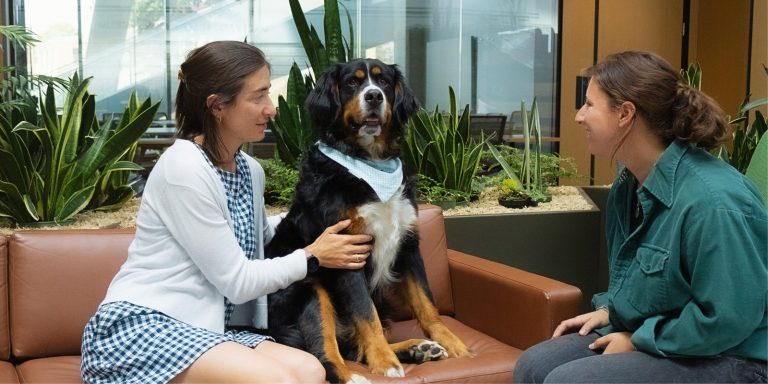
The presence of an animal changes the dynamic of therapy. It creates a space that feels less clinical and more relational, something many clients, especially teens and families, find easier to engage in.
👉 Learn more about our services:
https://animalassistedcounseling.net/animal-assisted-therapy/
How Animal Assisted Therapy Works in the Brain
One of the most important parts of understanding how animal-assisted therapy works is looking at the brain.
1. The Brain Shifts Out of Stress Mode
When someone is anxious or overwhelmed, the brain activates its threat system (fight, flight, or freeze). Interacting with a therapy animal helps signal safety, allowing the brain to shift into a calmer state.
2. Sensory Input Creates Grounding
Touching a dog’s fur, hearing calm breathing, and observing gentle movement provides sensory input that anchors someone in the present moment. This is especially helpful for anxiety and trauma.
3. Emotional Processing Becomes Easier
When the brain feels safe, it becomes more open to processing emotions, reflecting, and engaging in meaningful conversation.
Research supporting this connection:
👉 https://pmc.ncbi.nlm.nih.gov/articles/PMC12341270/
The Role of Co-Regulation in AAT
A key concept in understanding how animal assisted therapy works is co-regulation.
Co-regulation happens when one calm nervous system helps regulate another. Therapy animals naturally provide this through:
- Calm presence
- Steady breathing
- Predictable behavior
When a client sits with a relaxed therapy dog, their body often begins to mirror that calmness.
This is particularly powerful for:
- Individuals with anxiety
- Teens experiencing emotional overwhelm
- Clients working through trauma
Why Animal-Assisted Therapy Helps Anxiety
Another essential part of how animal assisted therapy works is its impact on anxiety.
Here’s What Happens:
- Attention shifts away from anxious thoughts
- The body experiences physical calming through touch
- The environment feels less intimidating
Instead of focusing solely on talking, clients can engage with the animal, which reduces pressure and allows emotions to surface more naturally.
👉 Learn more about anxiety support: https://animalassistedcounseling.net/blog/how-animal-assisted-therapy-helps-anxiety-animal-assisted-therapy-for-anxiety/
How Animal Assisted Therapy Builds Trust
Trust is a cornerstone of effective therapy, and understanding how animal assisted therapy works includes recognizing how animals help build it.
Animals Help Because They:
- Do not judge
- Do not interrupt
- Respond consistently
For clients who may feel hesitant, guarded, or unsure about therapy, this creates a bridge. The relationship with the animal often becomes the first step toward trusting the therapist.
The Science of Engagement: Why Clients Open Up Faster
One of the most practical aspects of how animal assisted therapy works is how it increases engagement.
Research Shows:
- Clients are more likely to attend sessions
- Participation increases
- Communication improves
Animals create a shared focus, making therapy feel less intense and more approachable.
This can be especially helpful for:
- Teens who resist traditional therapy
- Children who struggle to express emotions
- Couples who need a softer entry point into difficult conversations
Physical and Emotional Benefits Working Together
The science behind how animal assisted therapy works shows that physical and emotional benefits are closely connected.
Physical Effects:
- Lower heart rate
- Reduced muscle tension
- Slower breathing
Emotional Effects:
- Increased sense of safety
- Greater emotional awareness
- Improved mood
When the body calms, the mind follows—making therapy more effective.
Why This Matters for Real-Life Healing
Understanding how animal assisted therapy works helps people see that this is not just a “nice extra”, it’s a meaningful, research-supported approach to mental health.
At AACI, the goal is to create a space where clients feel:
- Safe
- Comfortable
- Open to growth
Animal assisted therapy helps make that possible in a way that feels natural and supportive.
Is Animal Assisted Therapy a Good Fit for You or Your Family?
If you or your child struggle with anxiety, emotional regulation, or feeling comfortable in therapy, animal-assisted therapy may offer a different path.
It can help therapy feel less intimidating and more engaging—while still being grounded in proven techniques.
👉 Contact us to learn more:
https://animalassistedcounseling.net/contact/
A Different Way to Experience Therapy
When you understand how animal assisted therapy works, it becomes clear why so many people feel more at ease in this type of setting.
Healing doesn’t always have to start with words.
Sometimes it starts with feeling safe enough to just be and that’s where real change begins.