
The Science Behind Animal-Assisted Therapy: How AAT Supports Mental Health
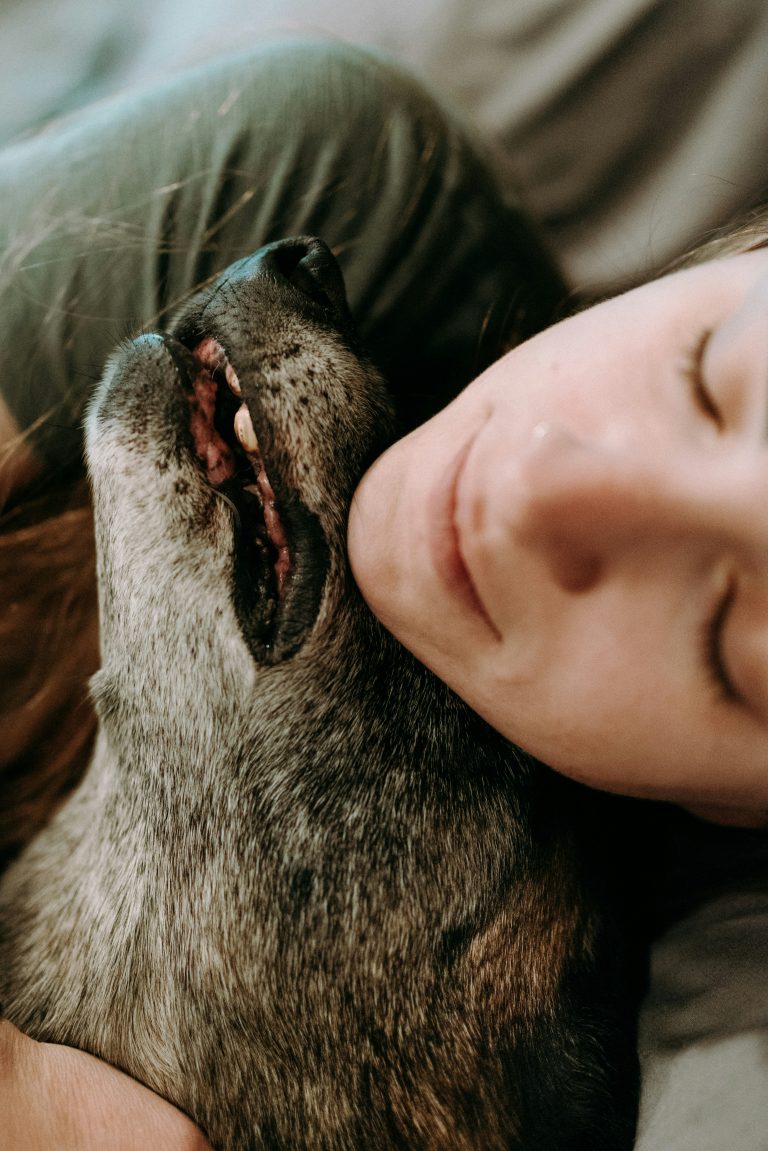
What Is the Science Behind Animal-Assisted Therapy?
The science behind animal-assisted therapy (AAT) continues to grow, offering powerful insight into how human-animal interactions can support emotional healing. At Animal Assisted Counseling of Indiana (AACI), we integrate therapy animals into a client-centered approach, creating a space where individuals feel safe, supported, and understood.
Animal-assisted therapy is more than simply “feeling good” around animals—it is grounded in neuroscience, psychology, and physiology. Research shows that interactions with animals can significantly impact mood, stress levels, and emotional regulation.
If you’ve ever felt calmer around a dog or noticed your stress melt away while petting an animal, you’ve already experienced part of the science behind animal-assisted therapy in action
How Animal-Assisted Therapy Affects the Brain
One of the most compelling aspects of the science behind animal-assisted therapy is its effect on the brain.
When individuals interact with animals, the brain releases oxytocin, often referred to as the “bonding hormone.” Oxytocin plays a key role in:
- Building trust
- Reducing fear
- Enhancing emotional connection
At the same time, levels of cortisol—the body’s primary stress hormone—begin to decrease.
According to research from the National Institutes of Health, positive interactions with animals can lead to measurable reductions in stress and anxiety. This biological shift helps create an internal environment where healing becomes more possible.
You can learn more about the physiological benefits of human-animal interaction from the National Library of Medicine.
The Nervous System and Emotional Regulation
Another important part of the science behind animal-assisted therapy involves the nervous system.
Many individuals seeking therapy—whether for anxiety, depression, or trauma—experience a dysregulated nervous system. This can look like:
- Feeling constantly “on edge”
- Difficulty calming down
- Emotional overwhelm
- Shutdown or numbness
Therapy animals help regulate the nervous system through co-regulation. Simply being in the presence of a calm, attuned animal can signal safety to the brain.
This activates the parasympathetic nervous system, often called the “rest and digest” system, allowing the body to shift out of survival mode.
At AACI, this process happens naturally. Clients often notice that sitting with a therapy dog makes it easier to breathe, relax, and engage in the therapeutic process.
Why Animal-Assisted Therapy Builds Trust Faster
Trust is a foundational part of therapy, yet it can take time—especially for teens, children, or individuals who have had difficult past experiences.
The science behind animal-assisted therapy shows that animals can act as social catalysts, helping bridge the gap between therapist and client.
Animals provide:
- Nonjudgmental presence
- Immediate emotional safety
- Consistent, predictable responses
For many people, it feels easier to open up when an animal is present. This can lead to:
- Faster rapport building
- Increased engagement in sessions
- Greater emotional expression
If you’re curious how this looks in practice, you can explore our approach here:
👉 https://animalassistedcounseling.net/animal-assisted-therapy/
Research Supporting Animal-Assisted Therapy
The science behind animal-assisted therapy is supported by a growing body of research.
Studies have shown that AAT can help:
- Reduce symptoms of anxiety and depression
- Improve emotional regulation
- Increase motivation and participation in therapy
- Lower blood pressure and heart rate
The American Psychological Association highlights that human-animal interactions can enhance emotional well-being and reduce feelings of loneliness.
Additionally, organizations like Pet Partners have contributed to research and standards that ensure therapy animals are trained and integrated safely and effectively.
For a deeper look at how therapy animals impact mental health, you can explore this resource:
👉 https://petpartners.org/learn/benefits-of-animal-assisted-therapy/
Who Benefits from Animal-Assisted Therapy?
The science behind animal-assisted therapy shows benefits across a wide range of individuals.
At AACI, we work with:
- Adults experiencing anxiety or depression
- Teens navigating emotional and social challenges
- Tweens adjusting to developmental changes
- Couples and families working through relationship dynamics
Animal-assisted therapy can be especially helpful for individuals who:
- Feel stuck in traditional talk therapy
- Struggle to express emotions
- Experience high levels of anxiety
- Benefit from experiential, interactive approaches
Because AAT is integrated into a client-centered framework, each session is tailored to meet the unique needs of the individual.
Why the Human-Animal Bond Matters
At the heart of the science behind animal-assisted therapy is the human-animal bond.
This connection is:
- Authentic
- Nonverbal
- Emotionally attuned
Animals respond to tone, energy, and presence rather than words alone. This creates opportunities for clients to feel seen and understood in a different way.
For many individuals, this bond becomes a powerful part of the healing process—offering comfort, connection, and a sense of safety.
Experience the Science Behind Animal-Assisted Therapy
Understanding the science behind animal-assisted therapy helps explain why this approach can be so impactful—but the true experience is felt, not just understood.
At Animal Assisted Counseling of Indiana, we provide a supportive environment where therapy animals are thoughtfully integrated into the counseling process.
If you’re exploring therapy for yourself, your teen, or your family, animal-assisted therapy may offer a unique and meaningful path forward.
👉 Learn more or get started here: https://animalassistedcounseling.net/contact/
Final Thoughts
The science behind animal-assisted therapy continues to affirm what many people intuitively feel—connection heals.
By combining evidence-based counseling with the natural comfort of therapy animals, AAT creates opportunities for growth, emotional regulation, and meaningful change.
Whether you are navigating anxiety, depression, or life transitions, you don’t have to do it alone.