
Calming Techniques for Anxiety: Skill-Building Tools to Regulate Your Mind and Body
If you’ve been searching for calming techniques for anxiety, you’re likely looking for something that actually works not just in theory, but in real life.
Anxiety can feel overwhelming, especially when it shows up unexpectedly. The key isn’t to eliminate anxiety completely it’s to learn how to respond to it. That’s where effective, evidence-based calming techniques for anxiety come in.
At Animal Assisted Counseling of Indiana, we focus on helping you build real, usable skills so you can feel more grounded, in control, and supported both in and outside of therapy.
What Are Calming Techniques for Anxiety?
Calming techniques for anxiety are practical tools that help regulate your nervous system, slow down racing thoughts, and bring your body back into a state of safety.
When anxiety is activated, your body goes into “fight or flight.” These techniques help shift you back into a calmer, more regulated state.
When practiced consistently, calming techniques for anxiety can:
- Reduce physical symptoms like tension and rapid heartbeat
- Improve emotional regulation
- Increase focus and clarity
- Help you feel more in control of your reactions
If you want to explore how therapy can support anxiety relief, visit:
👉 https://animalassistedcounseling.net/blog/coping-skills-for-anxiety-3/
1. Progressive Muscle Relaxation for Full-Body Calm
One of the most effective calming techniques for anxiety is progressive muscle relaxation (PMR). This technique helps release physical tension stored in the body.
How to practice:
- Start at your feet
- Gently tense the muscles for 5 seconds
- Slowly release
- Move upward through your body
This technique works because anxiety often lives in the body—even when we don’t realize it.
Learn more about PMR from Cleveland Clinic:
👉 https://health.clevelandclinic.org/progressive-muscle-relaxation-pmr
2. The “Name It to Tame It” Emotional Awareness Tool
Sometimes anxiety grows because we try to push it away. A powerful calming technique for anxiety is simply naming what you’re feeling.
Try this:
“I notice I’m feeling anxious right now.”
This creates space between you and the emotion, reducing its intensity.
This concept is supported by neuroscience research showing that labeling emotions helps calm the brain’s fear center.
3. Visualization for a Calm Mind
Visualization is a simple but powerful calming technique for anxiety that helps your brain shift into a more peaceful state.
Practice:
- Close your eyes
- Imagine a place where you feel safe and calm
- Notice details: sounds, colors, temperature
Your brain responds to imagined safety similarly to real safety, making this a highly effective tool
4. Co-Regulation Through Connection (Including Animals)
Humans are wired for connection. One of the most overlooked calming techniques for anxiety is co-regulation—calming your nervous system through safe, supportive presence.
This can include:
- Sitting with a trusted person
- Talking through what you’re feeling
- Spending time with a pet or therapy animal
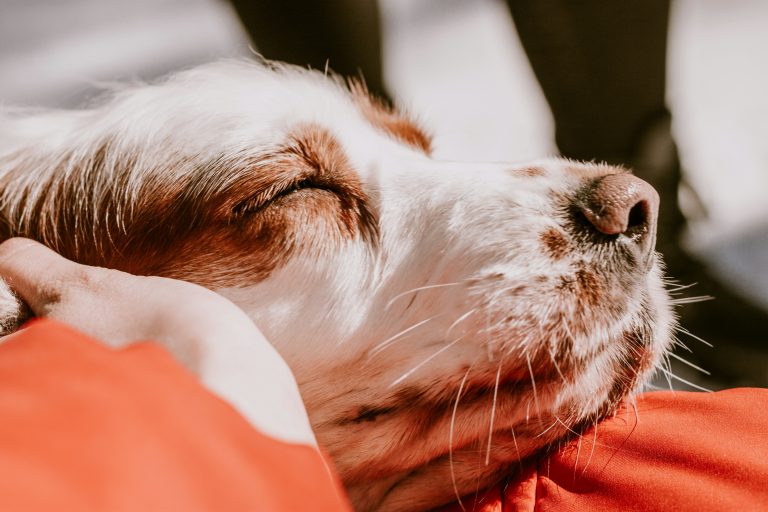
Animal-assisted therapy is especially powerful because animals offer nonjudgmental presence and grounding.
👉 Learn more about how this works:
https://animalassistedcounseling.net/blog/therapy-animals-and-emotional-regulation/
5. The “Worry Window” Technique
Instead of trying to stop anxious thoughts completely, this calming technique for anxiety gives them structure.
How it works:
- Set aside 10–15 minutes each day as your “worry time”
- When anxious thoughts arise outside that time, gently remind yourself:
“I’ll come back to this later.”
This helps reduce constant mental overwhelm and creates boundaries with anxiety.
6. Temperature Reset for Immediate Relief
A quick and effective calming technique for anxiety is using temperature to reset your nervous system.
Try:
- Splash cold water on your face
- Hold an ice pack or cold object
- Step outside into fresh air
These techniques activate your body’s calming response quickly.
Explore more about this through Anxiety and Depression Association:
👉 https://adaa.org/tips
7. Create a Personalized Calm Routine
The most effective calming techniques for anxiety are the ones that feel natural and accessible to you.
Try combining a few tools into a daily routine:
- Morning: breathing or visualization
- Afternoon: movement or grounding
- Evening: reflection or relaxation
Consistency is what turns tools into lasting change.
Why Skill-Building Matters
Learning calming techniques for anxiety is not about being perfect—it’s about building confidence in your ability to respond to difficult moments.
Each time you use a skill, you’re strengthening your ability to handle stress in a healthier way.
Over time, these small moments create meaningful, lasting change.
Support Makes a Difference
While learning calming techniques for anxiety is powerful, you don’t have to navigate it alone.
At Animal Assisted Counseling of Indiana, we provide a warm, supportive space where you can:
- Learn personalized coping tools
- Feel understood without judgment
- Experience the calming presence of therapy animals
👉 Take the next step here:
https://animalassistedcounseling.net/contact/
Try This Today
Pick one calming technique for anxiety from this list and try it today.
Not to fix everything—just to support yourself in this moment.
That’s where real change begins.